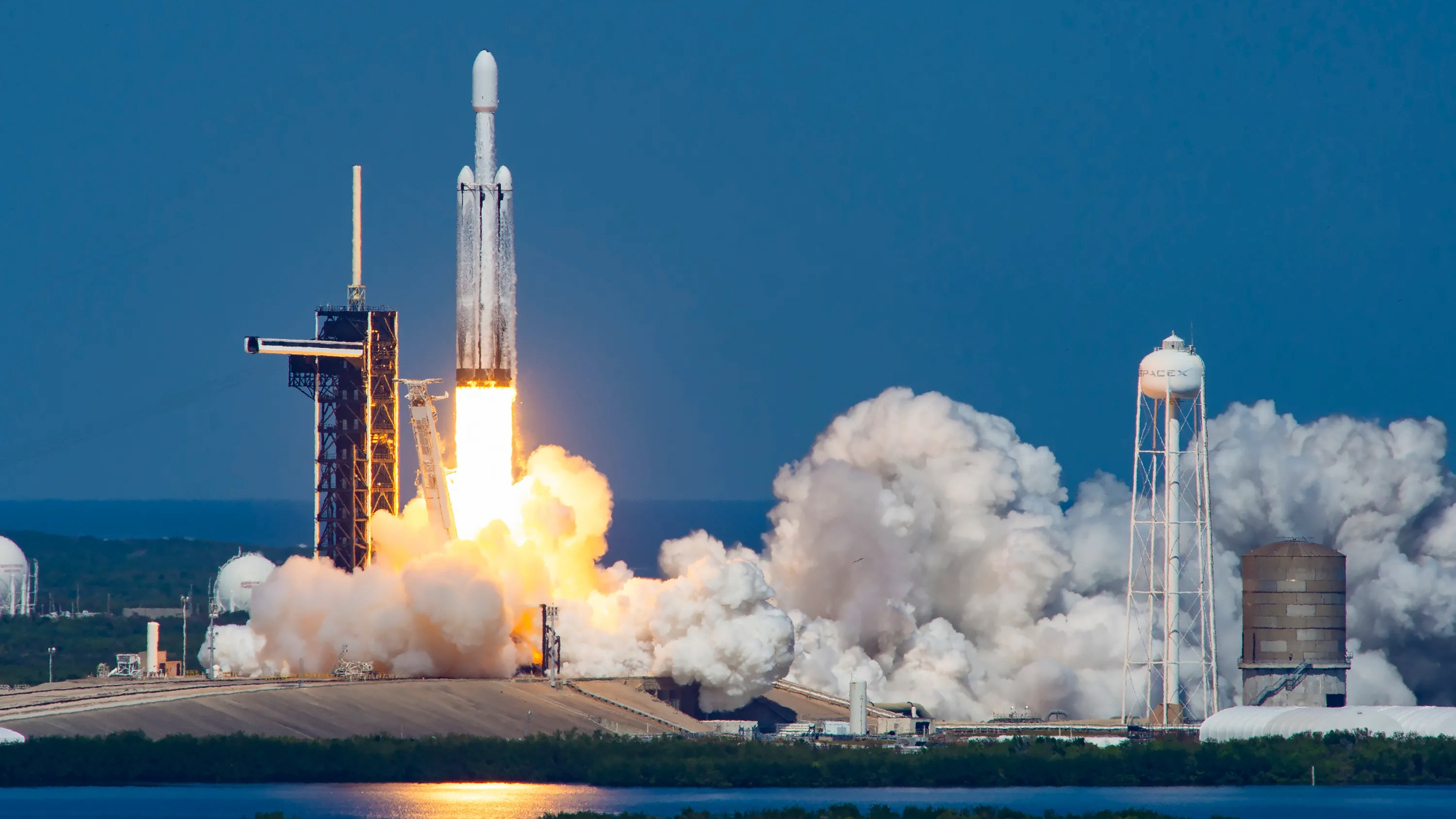
BOCA CHICA, Texas — Elon Musk’s SpaceX has officially crossed the ultimate threshold in commercial spaceflight. On a dramatic and thunderous test flight, the next-generation Starship rocket successfully achieved orbit for the very first time. Marking a monumental milestone for the aerospace industry, the successful execution of Flight 14 signals a definitive turning point in humanity’s quest for deep-space exploration, reusable heavy-lift rocketry, and the colonization of Mars.
The colossal launch, witnessed by thousands of spectators along the Texas coastline and millions online, showcased the raw power of the largest and most powerful rocket ever built. Rising from SpaceX’s Starbase facility in Boca Chica, the towering 400-foot stainless steel vehicle punched through the atmosphere, leaving behind a trail of sonic booms, searing exhaust, and a stark reminder of the immense physical forces required to escape Earth's gravity.
The Anatomy of a Breakthrough: What Happened on Flight 14?
For years, SpaceX’s Starship program has been defined by explosive ambition and high-stakes trial-and-error. Previous test flights offered vital telemetry data but routinely ended in spectacular mid-air disintegration or uncontrolled ocean impacts. Flight 14, however, wrote a radically different script.
- Perfect Liftoff and Separation: The Super Heavy booster ignited all 33 Raptor engines, flawlessly lifting the stack off the pad before executing a synchronized hot-staging separation.
- Orbital Insertion Confirmed: Following stage separation, Starship's upper stage successfully fired its vacuum-optimized Raptor engines, stabilizing into a planned orbital trajectory.
- Data Triumph: Engineers monitored critical systems including thermal protection tile integrity, propellant transfer simulations, and atmospheric re-entry profiles, all of which performed within anticipated parameters.
Industry analysts note that reaching orbit is not merely a technical checkbox; it unlocks the foundational physics required for global point-to-point cargo delivery, heavy satellite deployment, and NASA’s Artemis lunar landing missions.
Why This Milestone Changes the Global Economy
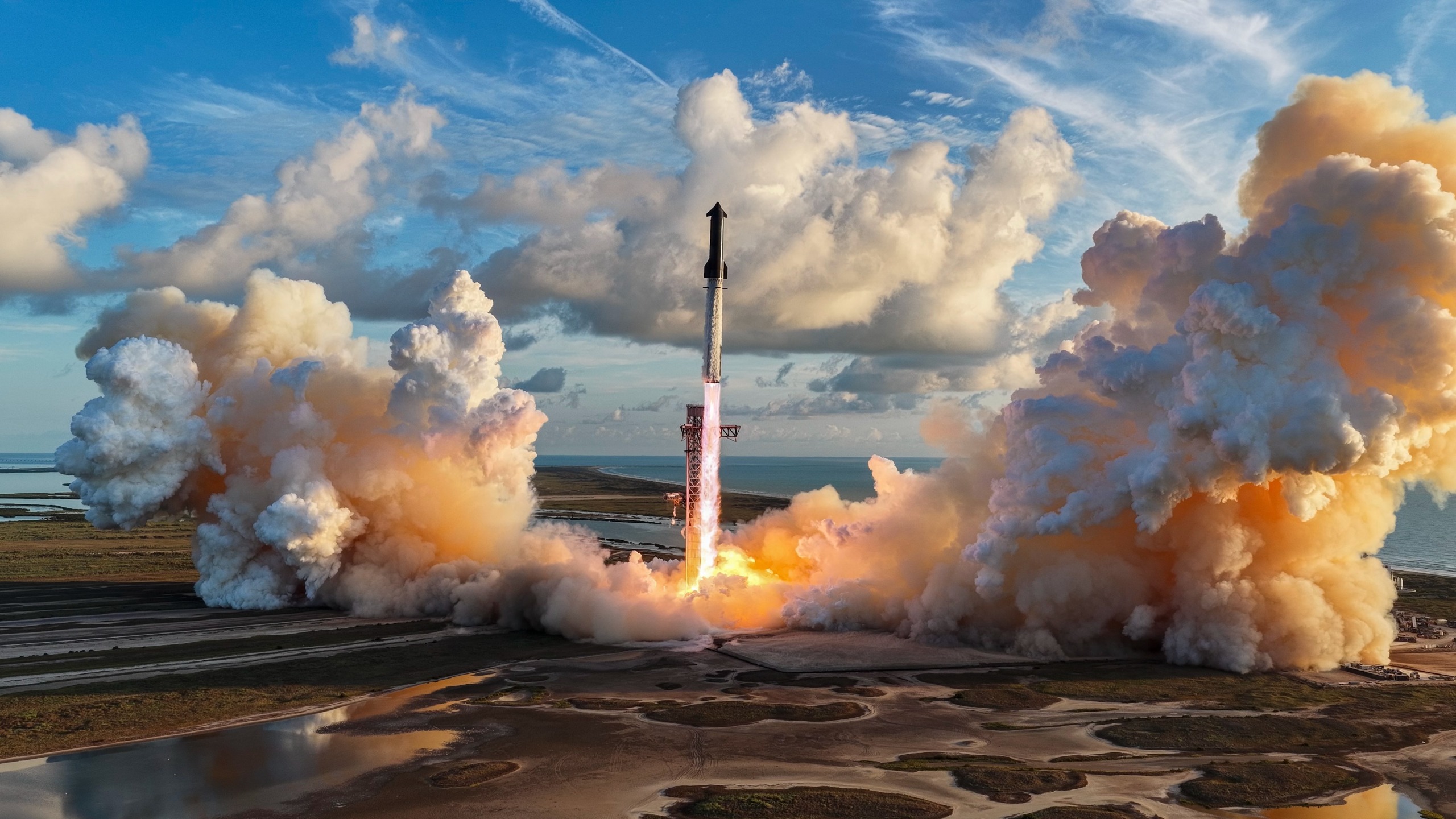
The successful orbital insertion of Starship is not just a win for space enthusiasts—it is a watershed moment for the global space economy. For decades, the high cost per pound of payload to orbit has bottlenecked commercial ventures, from asteroid mining to orbital manufacturing.
Starship’s fully reusable architecture is engineered to slash launch costs by orders of magnitude. By utilizing rapid reusability—catching both the Super Heavy booster and the Starship spacecraft using mechanical arms upon return—SpaceX aims to turn rocket launches into an airline-like operational cadence.
| Metric / Feature | Specification | Strategic Significance |
|---|---|---|
| Vehicle Height | ~121 meters (397 feet) | Largest, most powerful rocket ever constructed. |
| Thrust at Liftoff | ~16.7 million pounds | Enables massive payload capacities to deep space. |
| Payload Capacity | 100–150 metric tones (fully reusable) | Drastically reduces cost-per-kilogram to orbit. |
| Primary Propellant | Liquid Oxygen / Methane (CH4) | Enables future ISRU (In-Situ Resource Utilization) on Mars. |
The Road Ahead: NASA, Artemis, and Mars
With orbital flight now proven, the pressure shifts immediately to operational readiness. NASA has heavily invested in Starship, contracting SpaceX to build the Human Landing System (HLS) variant that will return American astronauts to the lunar surface under the Artemis III mission.
Furthermore, Elon Musk’s ultimate vision remains unchanged: building a self-sustaining city on Mars. Achieving Earth orbit is the mandatory first step toward interplanetary travel. Without a reliable heavy-lift orbital vehicle capable of refueling in space, journeys to the Red Planet remain theoretically impossible.
As SpaceX teams analyze the terabytes of data collected from Flight 14, the aerospace titan is already preparing hardware for subsequent flights. The message from Boca Chica is loud and clear: the multi-planetary future is no longer science fiction.
Frequently Asked Questions
Why is Starship considered the largest rocket ever built?
Standing nearly 400 feet tall with a combined thrust of over 16 million pounds, Starship surpasses NASA's historic Saturn V and the Space Launch System (SLS) in both physical scale and payload capacity, making it the most powerful launch vehicle in human history.
What makes Flight 14 different from previous Starship tests?
Unlike previous flights that experienced structural failures or failed to maintain trajectory during critical phases, Flight 14 successfully executed all primary ascent milestones, achieved stable orbit, and validated key systems necessary for future reusability and deep-space missions.