Executive Takeaways
- Strategic Risk Mitigation: Meta’s decision to settle avoids catastrophic courtroom disclosures regarding internal algorithmic design, engagement loops, and adolescent mental health metrics.
- Valuation Multiples and Market Liquidity: Capital allocation shifts toward proactive litigation defense and enterprise risk management as institutional investors reassess regulatory overhang.
- Precedent for Big Tech: The resolution sets a formidable legal and financial baseline for ongoing multi-district litigation targeting major social media conglomerates.
- Infrastructure and Compliance Overhaul: Future engineering priorities must balance cloud compute architecture and behavioral product features with stringent regulatory compliance.
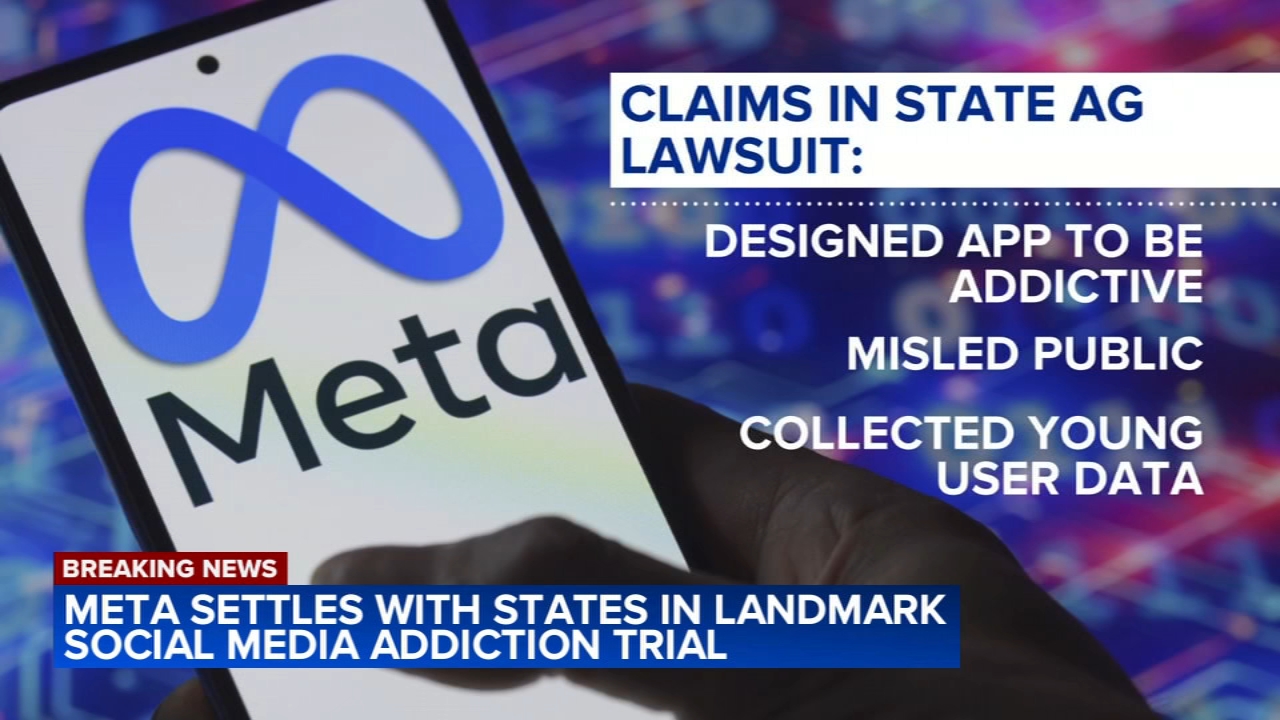
In a watershed moment for the digital economy, Meta Platforms Inc. has executed a strategic settlement to resolve a high-stakes social media addiction lawsuit, successfully circumventing a public trial that threatened to expose the inner mechanics of its algorithmic architecture. For months, Wall Street analysts, regulatory bodies, and legal scholars monitored the docket for what promised to be an unprecedented reckoning over user engagement models. By securing a settlement before opening arguments, Meta’s executive leadership prioritized risk mitigation and valuation stability, insulating the tech giant from immediate valuation multiple compression and systemic reputational fallout.
This investigative report breaks down the anatomy of the settlement, analyzing the catalytic events leading up to the courtroom showdown, the financial and operational fallout for the enterprise, and the broader implications for capital allocation, regulatory compliance, and the future of digital product engineering.
The Anatomy of a Crisis: From Internal Whistleblowers to Multi-District Litigation
Test Our Free AI & Tech Utilities Suite
Calculate LLM API token costs, analyze article dwell-time, or simulate tech DCA returns.
The genesis of this legal confrontation traces back years, fueled by public disclosures from internal whistleblowers and academic researchers who laid bare the psychological underpinnings of modern social media platforms. Plaintiffs—comprising school districts, state attorneys general, and families of young users—alleged that Meta engineered its platforms, specifically Instagram and Facebook, to maximize user session length and daily active user (DAU) retention through manipulative design patterns.
Central to the plaintiffs' case were internal documents suggesting that engineering teams prioritized behavioral engagement loops, infinite scroll mechanisms, and variable reward schedules despite internal awareness of correlations between excessive screen time and rising rates of adolescent anxiety, depression, and self-harm. As these multi-district litigations (MDL) consolidated in federal courts, the legal pressure mounted. The prospect of unsealed internal communications, executive depositions, and proprietary source code examinations presented a catastrophic exposure risk for Meta’s brand equity.
Facing a hostile jury pool and the potential for severe punitive damages, Meta’s general counsel and financial leadership pivoted toward a negotiated exit. The settlement effectively caps the immediate financial liability, trading open-ended trial exposure for a predictable, albeit substantial, capital outlay.
Financial Impact, Capital Allocation, and Enterprise Risk Mitigation

From a corporate finance perspective, resolving massive litigation through structured settlements is a textbook exercise in risk mitigation. For institutional investors managing large positions in mega-cap technology equities, legal overhang remains a primary driver of valuation volatility. By wiping the slate clean of an unpredictable trial verdict, Meta has provided market participants with financial clarity.
| Metric / Dimension | Pre-Settlement Exposure | Post-Settlement Reality |
|---|---|---|
| Legal Risk Profile | Catastrophic (Uncapped punitive damages, public document discovery) | Contained (Definitive financial liability cap) |
| Valuation Multiples Impact | High downward pressure due to regulatory uncertainty | Stabilized; earnings predictability restored |
| Capital Allocation Focus | Aggressive defense litigation spending | Product safety engineering and compliance architecture |
| Market Liquidity & Sentiment | Suppressed institutional confidence | Renewed confidence among growth and value investors |
Capital allocation strategies within Meta will inevitably reflect the terms of this agreement. While the settlement figure impacts near-term cash flow, it preserves the company's long-term enterprise ROI by clearing the runway for core revenue drivers, including AI-driven ad targeting and infrastructure scalability. However, analysts note that the true cost extends beyond the financial payout. Compliance mandates embedded within the settlement terms will require ongoing capital expenditures dedicated to parental controls, algorithmic transparency, and content moderation infrastructure.
Industry and Market Implications: A New Era for Big Tech
The resolution of this case sends shockwaves across the broader technology and digital media sectors. Alphabet (Google/YouTube), ByteDance (TikTok), and Snap Inc. are watching closely, as they face parallel lawsuits centered on youth mental health and addictive design features.
- The Regulatory Domino Effect: State attorneys general and federal lawmakers are emboldened by the outcome. Expect a surge in bipartisan legislative pushes targeting minor safety online, data privacy, and algorithmic accountability.
- Product Engineering Shifts: Software development lifecycles (SDLC) across Silicon Valley are incorporating "safety by design" paradigms. Cloud compute architecture and recommendation engines are being retrofitted to feature circuit breakers against compulsive usage.
- Insurance and Risk Underwriting: Cyber and liability insurance premiums for technology firms are expected to re-price aggressively, reflecting the quantifiable tail risk of behavioral addiction litigation.
Frequently Asked Questions (People Also Ask)
What were the primary legal claims brought against Meta in the social media addiction lawsuits?
Plaintiffs alleged that Meta intentionally designed its platforms—specifically Facebook and Instagram—with addictive features such as infinite scrolling, algorithmic push notifications, and intermittent variable rewards. They argued that Meta marketed these features to minors while possessing internal research indicating the products caused severe mental health harms, constituting negligence and defective product design.
How does this settlement impact other pending lawsuits against rival tech companies?
While each multi-district litigation stands on its own factual merits, Meta’s settlement establishes a significant legal and financial benchmark. It signals to other platforms—such as TikTok and Snap—that continuing to trial carries immense reputational and financial exposure, potentially encouraging broader settlement talks across the industry.
What are the long-term operational changes Meta must implement as part of the resolution?
Beyond financial compensation, settlements of this magnitude typically mandate operational concessions. These include enhanced parental oversight tools, stricter age-verification protocols, restrictions on algorithmic targeting for minor accounts, and third-party compliance auditing of recommendation systems.
How will this settlement affect Meta’s stock price and shareholder value?
Market analysts generally view the resolution as a net positive for equity holders because it removes a major cloud of uncertainty. Eliminating the risk of a chaotic, headline-driven trial restores earnings predictability, supporting stable valuation multiples and protecting market liquidity.
Future Outlook: Milestones and Executive Watchpoints
As the dust settles on this legal battle, the focus shifts to execution and enforcement. For Meta, the immediate imperative is the seamless integration of product safety protocols without disrupting core user engagement metrics that drive advertising revenue. Institutional investors will scrutinize upcoming earnings calls for guidance on compliance expenditures and capital return programs.
Key milestones to watch over the next 12 to 24 months include:
- Federal and State Legislative Action: Passage of comprehensive online safety acts that could codify mandatory algorithmic transparency.
- Competitor Litigation Milestones: Court rulings and settlement trajectories in parallel lawsuits involving ByteDance and Google.
- Quarterly Compliance Audits: Public reports from independent monitors assessing Meta's adherence to minor protection mandates.
Ultimately, Meta’s avoidance of trial marks the end of an era of unfettered algorithmic experimentation, ushering in a highly regulated landscape where user well-being and enterprise profitability must coexist in delicate balance.