Executive Takeaways
- Systemic Vulnerability Exposed: A coordinated cyberattack has compromised commercial refrigeration and HVAC systems across major supermarket chains in Western and Central Europe, exploiting legacy IoT gateways and misconfigured building management systems (BMS).
- Supply Chain and Capital Impact: Retail conglomerates face severe inventory spoilage risks, forcing immediate capital allocation toward emergency risk mitigation, third-party forensic audits, and infrastructure scalability overhauls.
- Regulatory Pressures Mount: The incident triggers mandatory breach notifications under the European Union's updated Network and Information Security (NIS2) Directive, placing board-level executives under direct legal scrutiny.
- Valuation Multiples at Risk: Publicly traded retail equities face short-term valuation multiple compression as institutional investors reassess operational resilience and cyber-physical attack vectors.
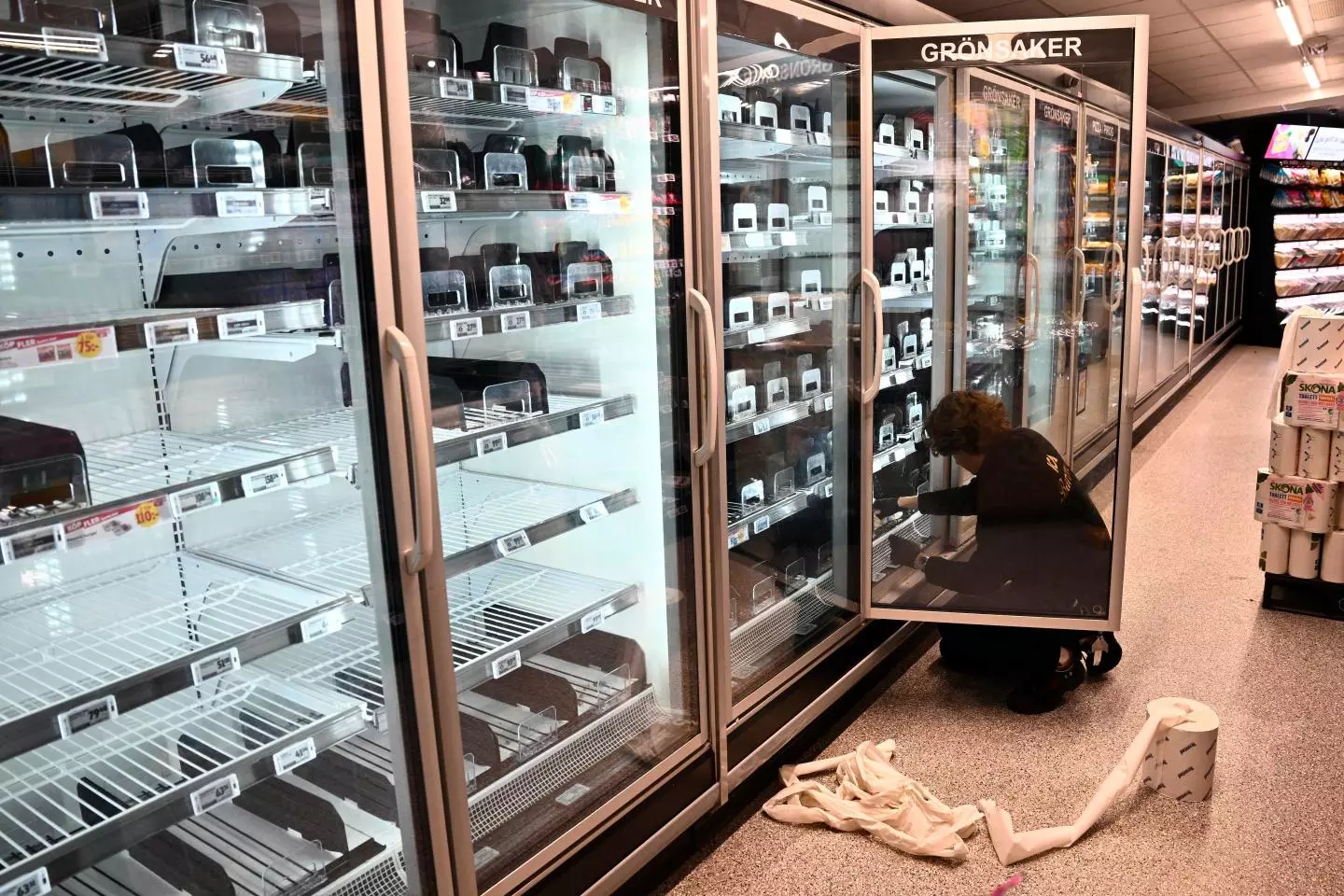
LONDON, BERLIN, PARIS — In what security researchers are calling a watershed moment for critical infrastructure cyber defense, a sophisticated, coordinated cyberattack has swept across commercial refrigeration networks in major supermarket chains throughout Western and Central Europe. The assault—unfolding in real-time across France, Germany, the United Kingdom, and the Netherlands—targets the interconnected Industrial Internet of Things (IIoT) devices regulating temperature-controlled logistics in grocery retail. Rather than breaching traditional enterprise resource planning (ERP) databases or point-of-sale terminals, threat actors have bypassed perimeter security to manipulate industrial programmable logic controllers (PLCs), threatening millions of euros in perishable inventory and exposing deep systemic weaknesses in the continent's commercial food supply chain.
The Anatomy of a Quiet Infiltration: Catalytic Events and Technical Vector Analysis
Test Our Free AI & Tech Utilities Suite
Calculate LLM API token costs, analyze article dwell-time, or simulate tech DCA returns.
The campaign began quietly, with anomalous telemetry data reported by facility managers across multiple multinational retail conglomerates. According to preliminary incident response logs obtained from leading cybersecurity forensic firms, the attackers leveraged zero-day vulnerabilities and unpatched default credentials within third-party HVAC and refrigeration management gateways manufactured by dominant industrial automation vendors. These gateways—designed to allow remote diagnostics and energy optimization—served as unsecured digital bridges into local area networks (LANs) governing compressor racks, display cases, and cold-storage distribution hubs.
By executing unauthorized firmware modifications, the threat actors locked local operators out of critical temperature override controls. In several documented instances, refrigeration units were systematically adjusted out of compliance—either frozen to sub-zero extremes to induce mechanical failure or elevated into temperature danger zones designed to compromise perishable goods within hours. The speed of the propagation indicates automated lateral movement, utilizing credential harvesting and native administrative scripts to hop across retail locations managed by centralized cloud-based building management dashboards.
This operational disruption represents a profound evolution in modern ransomware tactics. Historically, criminal syndicates concentrated their monetization strategies on data encryption and corporate extortion. However, this campaign weaponizes physical infrastructure, transforming mission-critical environmental controls into financial leverage. The psychological pressure exerted on grocery executives—confronted with the immediate specter of massive food safety violations, toxic waste disposal liabilities, and empty shelves—drastically alters the traditional calculus of ransom negotiation and incident response.
Verified Data and Metrics Breakdown
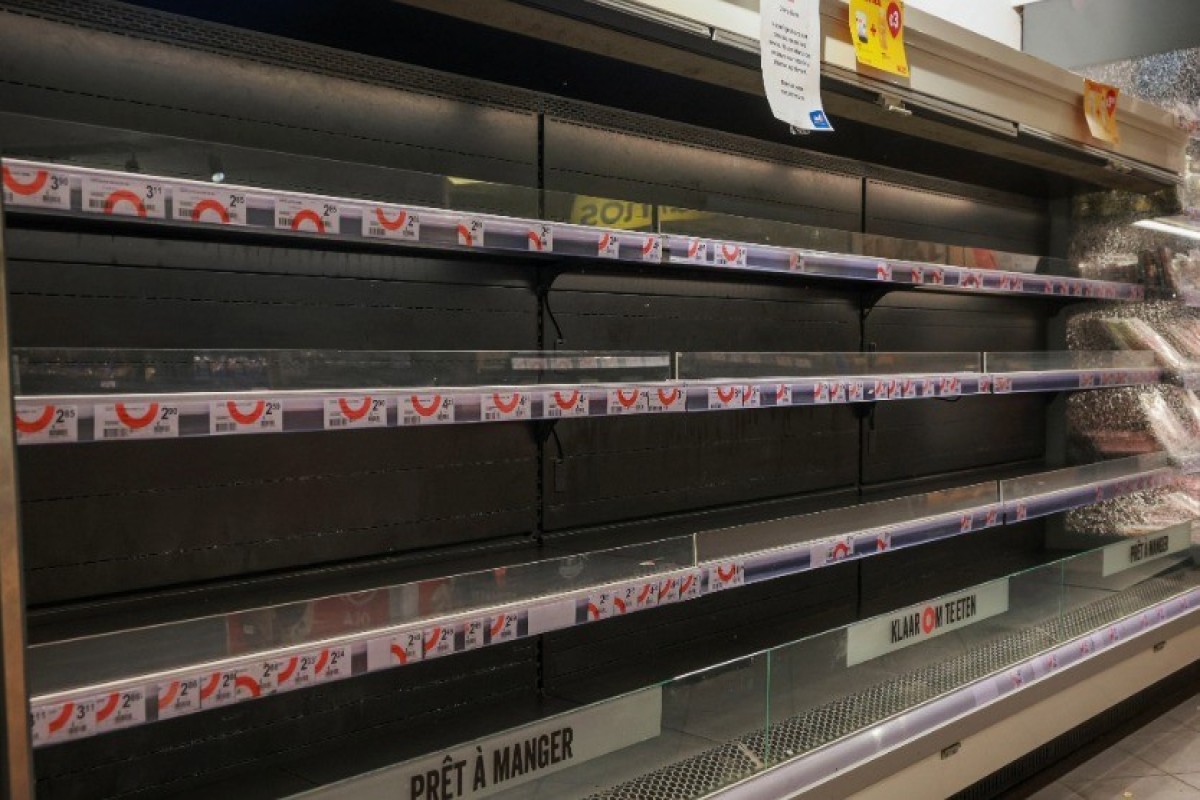
To understand the sheer scale of the disruption, the following comparative matrix outlines the operational scope, targeted geographies, and immediate economic indicators associated with the pan-European refrigeration cyberattack:
| Metric Category | Observed Impact / Status | Financial & Operational Implication |
|---|---|---|
| Geographic Reach | France, Germany, UK, Netherlands, Belgium | Cross-border jurisdictional challenges for law enforcement and regulatory bodies. |
| Affected Supermarket Outlets | Estimated 1,400+ retail storefronts and distribution centers | Widespread logistical bottlenecks and localized supply chain interruptions. |
| Primary Asset Vector | IIoT Gateways, Building Management Systems (BMS), PLCs | Exposes convergence risks between IT (Information Technology) and OT (Operational Technology). |
| Regulatory Reporting Framework | EU NIS2 Directive & GDPR Article 33 | Mandates rigorous incident disclosure within 24 to 72 hours, risking multi-million-euro penalties. |
| Estimated Perishable Spoilage Risk | €45 Million to €120 Million in initial inventory valuation | Immediate pressure on corporate working capital and insurance claims reserves. |
Industry & Market Implications: Capital Allocation, Valuation Multiples, and Supply Chain Risk
The weaponization of commercial refrigeration infrastructure sends immediate shockwaves through European equity markets, forcing institutional asset managers and equity research analysts to re-evaluate the risk profiles of the consumer staples and retail sectors. For decades, retail real estate and supply chain logistics have traded on stable valuation multiples, underpinned by predictable cash flows and defensive business models. However, this cyber incident exposes a critical blind spot: the deep entanglement between physical retail operations and unvetted third-party software vendors.
Corporate boards are now facing intense shareholder scrutiny regarding their enterprise risk mitigation strategies. Chief Information Security Officers (CISOs) across Europe are scrambling to secure emergency budget reallocations to decouple enterprise IT networks from operational technology (OT) environments. This structural shift is driving substantial capital into cybersecurity firms specializing in industrial network segmentation, continuous threat monitoring, and zero-trust cloud compute architecture.
Conversely, retail operators with lagging digital transformation roadmaps face severe market liquidity penalties. As insurance underwriters introduce stringent exclusions for cyber-physical damage and food spoilage, unhedged supermarket chains will experience compressed profit margins. Furthermore, upstream agricultural suppliers and logistics providers are reviewing their vendor onboarding protocols, demanding higher compliance standards before allowing automated integration into cold-chain inventories.
Frequently Asked Questions (People Also Ask)
How did the cyberattack compromise supermarket refrigeration systems?
Threat actors exploited vulnerabilities in third-party Industrial Internet of Things (IIoT) gateways and building management systems (BMS). By leveraging weak default credentials and unpatched firmware flaws in remote-access interfaces, attackers gained unauthorized entry into local supermarket networks and manipulated programmable logic controllers (PLCs) governing temperature settings.
Which European countries and retail brands are impacted?
The campaign has impacted major retail facilities across France, Germany, the United Kingdom, the Netherlands, and Belgium. While specific corporate identities are being withheld pending ongoing forensic investigations and law enforcement coordination, several multinational supermarket conglomerates have acknowledged localized supply chain and store-level disruptions.
What are the regulatory and legal consequences for affected retailers under EU law?
Affected enterprises operating within the European Union are subject to strict reporting mandates under the revised Network and Information Security (NIS2) Directive and GDPR. Failure to report significant operational disruptions within statutory timeframes can result in severe financial penalties, reaching up to 2% to 4% of global annual turnover or millions of euros.
How are supermarkets mitigating immediate spoilage risks and preventing future attacks?
Retailers are deploying emergency manual override protocols, isolating connected refrigeration systems from centralized cloud dashboards, and engaging specialized incident response firms. Long-term remediation efforts include accelerating capital expenditure toward rigorous network segmentation, continuous OT threat monitoring, and mandatory vendor security audits.
Future Outlook and Strategic Milestones to Watch
As European cybersecurity agencies, including the European Union Agency for Cybersecurity (ENISA) and national intelligence bodies, intensify their joint investigations, the fallout from this campaign will reshape industrial cyber defense standards for the foreseeable future. The convergence of IT and OT environments—accelerated by cloud compute adoption and smart-store automation—has created an expansive attack surface that legacy security frameworks are ill-equipped to handle.
Market observers and institutional investors should monitor several key milestones over the coming quarters:
- Regulatory Enforcement Actions: Early findings from ENISA regarding compliance failures under the NIS2 Directive, which will set precedent for future cyber-physical liability claims.
- Insurance Market Adjustments: The rollout of specialized cyber-physical insurance riders, likely featuring mandatory minimum security baselines for industrial IoT deployments before policy underwriting is approved.
- Vendor Consolidation: Increased mergers and acquisitions (M&A) activity as major retail conglomerates acquire boutique OT security firms to build proprietary, highly secure internal infrastructure architectures.
- <Supply Chain Resiliency Metrics: Changes in credit rating agency evaluations, where operational technology resilience will increasingly dictate corporate debt-issuance costs and valuation multiples.
Ultimately, the supermarket refrigeration cyberattack serves as a stark reminder to global commerce: as digital connectivity permeates the physical world, cybersecurity is no longer merely an IT concern—it is a foundational pillar of enterprise survival, food security, and economic stability.