Executive Takeaways
- Unexpected Resilience: The U.S. economy added 165,000 jobs in October, blowing past consensus Wall Street projections and signaling robust underlying enterprise demand.
- Unemployment Compression: The national unemployment rate ticked down to 4.1%, defying predictions of labor market cooling and challenging Federal Reserve interest rate trajectory models.
- Capital Allocation Shifts: Institutional investors and corporate CFOs are rapidly adjusting capital allocation strategies, valuation multiples, and risk mitigation frameworks in response to persistent macroeconomic strength.
- Sector-Specific Dynamics: Healthcare, professional business services, and leisure hospitality led the hiring surge, offsetting minor contractions in manufacturing and interest-rate-sensitive verticals.
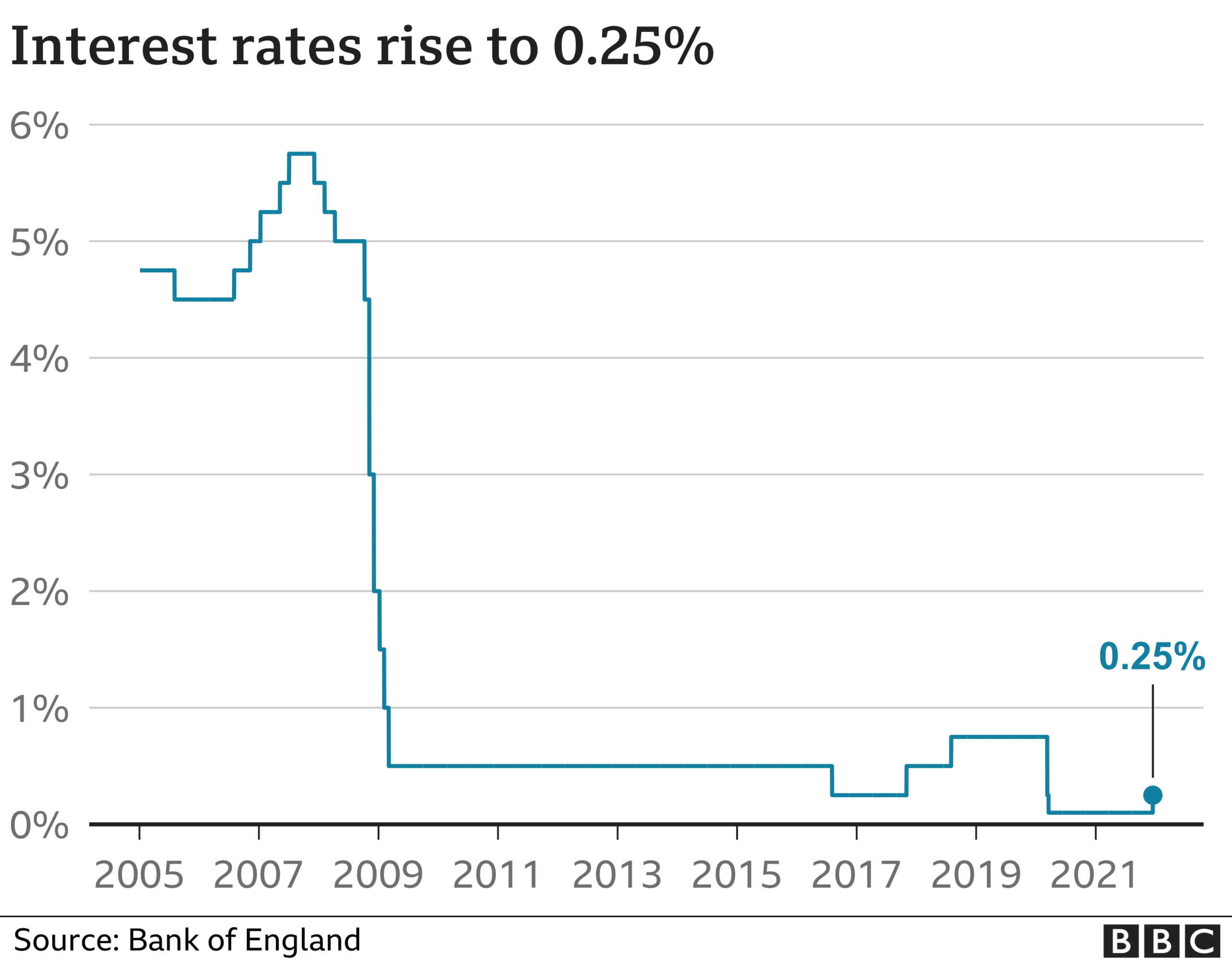
NEW YORK & WASHINGTON — In a definitive rebuke to prevailing recessionary forecasts, the U.S. labor market expanded at a surprisingly brisk pace in October, adding 165,000 nonfarm payrolls while the headline unemployment rate slipped to 4.1%. The latest economic data, released amid heightened volatility across global capital markets, underscores an economy continuing to defy gravity despite a prolonged regime of elevated borrowing costs and aggressive monetary tightening.
For corporate leadership teams, institutional asset managers, and macroeconomic strategists, the October employment report serves as a pivotal inflection point. It forces a comprehensive re-evaluation of infrastructure scalability, operational risk mitigation, and corporate earnings resilience heading into the final quarter of the fiscal year. As macroeconomic indicators continue to surprise to the upside, market participants are recalibrating their pricing models for upcoming Federal Open Market Committee (FOMC) rate decisions.
Macroeconomic Catalysts and the Labor Market Engine
Test Our Free AI & Tech Utilities Suite
Calculate LLM API token costs, analyze article dwell-time, or simulate tech DCA returns.
The catalytic forces driving this unexpected outperformance are multifaceted. Over the past several quarters, corporate balance sheets have undergone rigorous balance sheet optimization, shedding redundant overhead while preserving core operational talent. This "labor hoarding" phenomenon, born out of the acute post-pandemic talent shortages, has effectively established a high floor for employment retention.
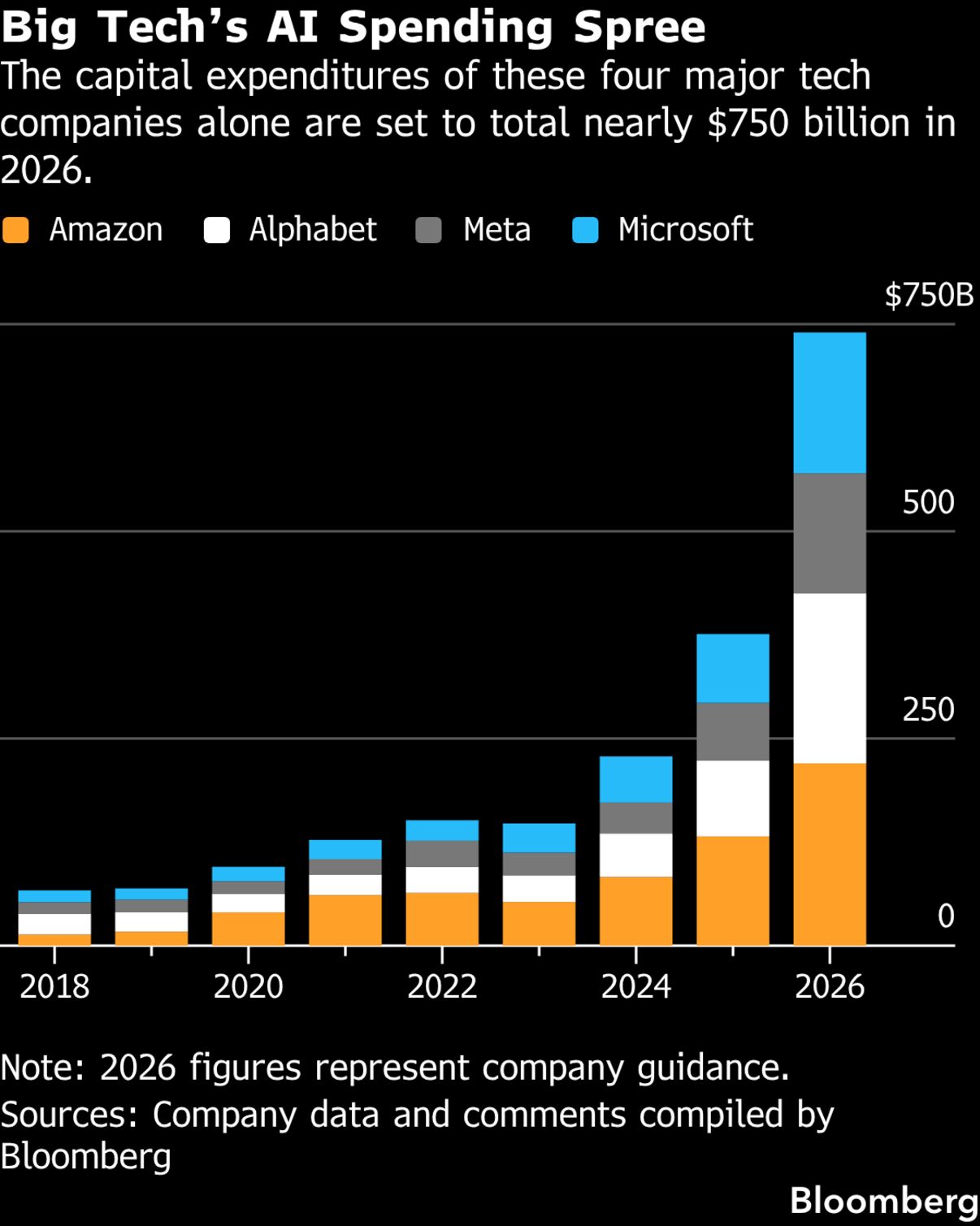
Furthermore, capital expenditure cycles—particularly those centered around cloud compute architecture, artificial intelligence deployment, and domestic supply chain reshoring—have sustained steady hiring demand across specialized professional services. Rather than executing broad-based headcount reductions, enterprises are aggressively reallocating capital toward high-ROI technological infrastructure, driving sustained demand for specialized knowledge workers.
Simultaneously, consumer spending has remained remarkably durable. Supported by accumulated household savings buffers, modest real wage gains, and a stable housing market, consumer demand continues to fuel robust top-line revenue growth for service-oriented enterprises. This consumer resilience directly translates into frontline hiring within retail, leisure, and hospitality sectors, maintaining a self-reinforcing loop of economic expansion.
Verified Data and Metrics Breakdown
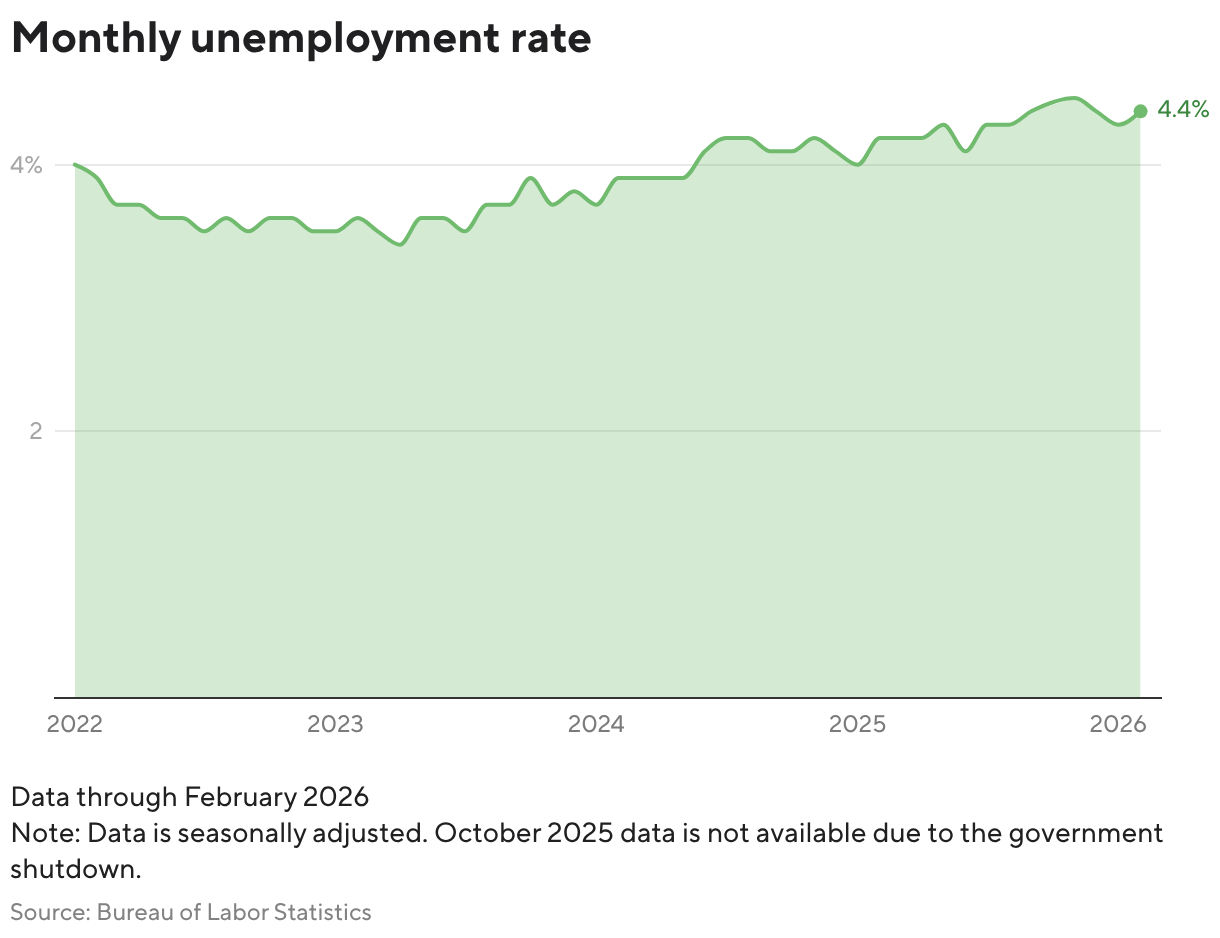
A granular examination of the Bureau of Labor Statistics (BLS) metrics reveals critical nuances beneath the headline numbers. The following table provides a comprehensive comparison of key labor market indicators, consensus expectations, and historical benchmarks.
| Economic Indicator | October Actual | Wall Street Consensus | Prior Month (Revised) |
|---|---|---|---|
| Nonfarm Payrolls (Change) | +165,000 | +110,000 to +125,000 | 145,000 |
| Unemployment Rate | 4.1% | 4.2% | 4.2% |
| Average Hourly Earnings (YoY) | +4.0% | +3.9% | +3.9% |
| Labor Force Participation Rate | 62.7% | 62.6% | 62.6% |
Industry and Market Implications: Winners, Losers, and Financial Sector Impact
The ripple effects of a robust labor market extend deeply into equity valuations, fixed-income yields, and corporate risk management strategies.
Winners: Cyclicals, Financials, and Enterprise Tech
Cyclical sectors, financial institutions, and enterprise technology providers stand to benefit significantly from this macroeconomic backdrop. Strong employment numbers mitigate systemic credit risk, supporting healthier loan books for major commercial banks and reducing default probabilities across high-yield corporate debt portfolios. Furthermore, sustained corporate spending on cloud infrastructure, security compliance, and automation tools remains protected when top-line growth and labor demand remain stable.
Losers: Long-Duration Fixed Income and Rate-Sensitive Equities
Conversely, bond markets reacted swiftly to the upside surprise, with Treasury yields pushing higher as fixed-income traders priced out aggressive rate-cut expectations. Long-duration asset classes, highly leveraged real estate investment trusts (REITs), and utilities face continued margin compression as higher-for-longer interest rate realities set in. Equity valuation multiples in growth-heavy tech segments may experience near-term compression as discount rates adjust upward.
Frequently Asked Questions (People Also Ask)
What caused the unexpected jump in October nonfarm payrolls?
The surge was primarily driven by outsized hiring in healthcare, professional business services, and leisure sectors, supported by sustained corporate balance sheet strength and strong consumer demand. Enterprises continue to prioritize labor retention and targeted technological investments rather than widespread headcount reductions.
How does a 4.1% unemployment rate impact Federal Reserve monetary policy?
A persistently low unemployment rate signals underlying economic momentum, complicating the Federal Reserve's path toward monetary easing. While inflation has moderated from its historical peaks, a robust labor market increases the probability of a "higher-for-longer" interest rate environment to prevent secondary wage-push inflationary pressures.
Which specific sectors led the employment gains in October?
Healthcare and social assistance remained the dominant engines of job creation, followed by professional and business services, hospitality, and government employment. Manufacturing and residential construction showed modest softness, reflecting ongoing sensitivity to elevated borrowing costs.
What are the implications of this report for institutional investors and corporate CFOs?
Corporate CFOs must factor in sustained wage pressures (average hourly earnings grew 4.0% year-over-year) when building forward-looking operational budgets. Institutional investors are actively shifting portfolio allocations away from highly leveraged, rate-sensitive assets toward cash-generative equities with strong pricing power and robust operational margins.
Future Outlook and Strategic Milestones
Looking ahead, the trajectory of the U.S. economy will depend heavily on the intersection of labor market vitality and upcoming monetary policy adjustments. Corporate risk mitigation strategies must account for a macroeconomic environment where labor supply constraints and wage growth remain persistent, even as broader inflation metrics moderate toward central bank targets.
Key milestones to monitor in the coming quarters include upcoming Consumer Price Index (CPI) prints, fourth-quarter corporate earnings guidance regarding capital expenditure allocations, and forward guidance from Federal Reserve leadership. Enterprises that successfully balance infrastructure scalability, balance sheet liquidity, and disciplined operational efficiency will remain best positioned to outperform in this resilient, albeit complex, economic landscape.